
Find Calm in a Chaotic World: Taming Anxiety Through Intention and Action
Anxiety is a common emotion in our modern, fast-paced world. The constant flow of information and the demands of everyday life can leave us feeling stressed and overwhelmed. While a certain amount of anxiety is a natural response to stress, persistent anxiety can negatively affect our well-being. Fortunately, there are practical steps we can take to reduce anxiety and create greater calm in our lives.
Minimize External Stressors
One of the most effective ways to reduce anxiety is to consciously limit our exposure to external stressors. Although it sounds simple, it requires active effort. Try the following strategies:
1. The Power of Meditation
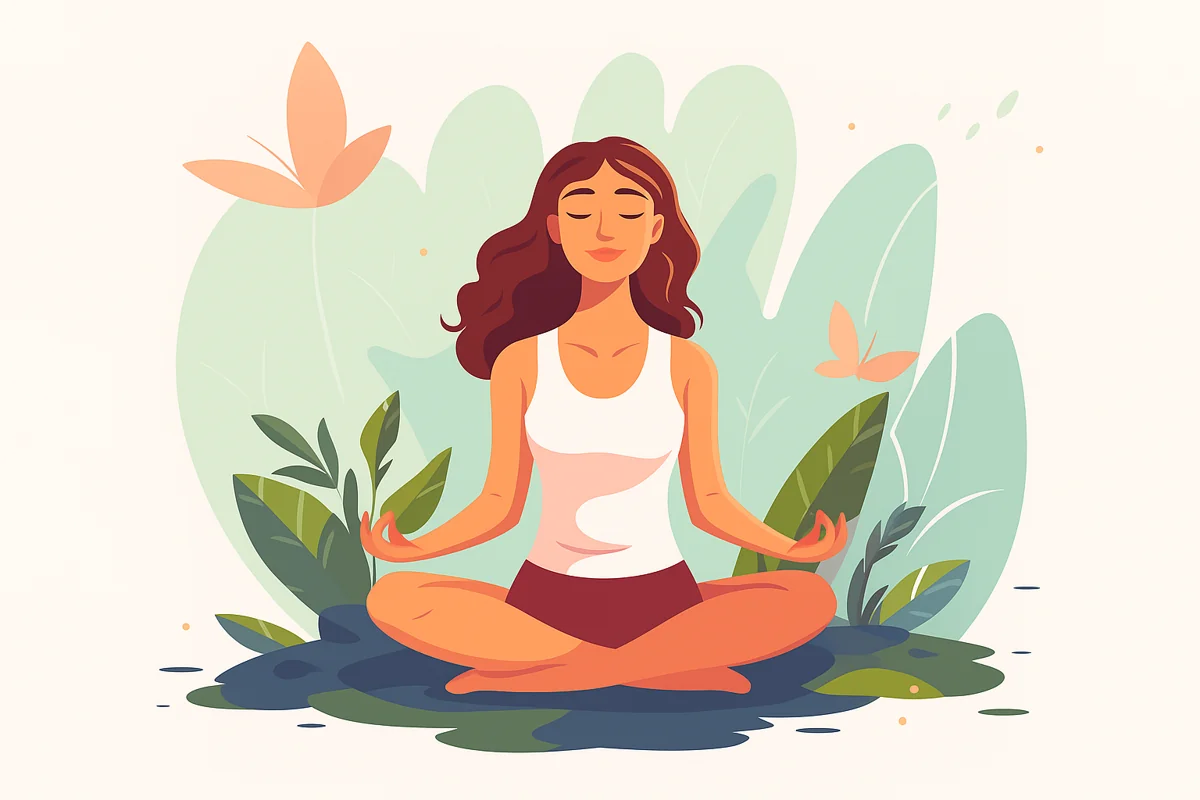
Meditation helps train the mind to focus and remain present in the moment. Regular meditation can reduce anxiety, improve concentration, and promote emotional well-being. There are many different forms of meditation, so explore various techniques to find the one that works best for you. Even a few minutes of daily meditation can make a meaningful difference.
2. Move with Awareness
Physical activity is a powerful way to reduce anxiety. Find an activity you enjoy, whether it is walking, running, practicing yoga, or dancing. Even short periods of movement can have a positive effect. Spending time walking in nature can be particularly calming for both body and mind.
3. Deep Breathing – A Simple but Effective Technique
Deep breathing is a simple yet effective tool for managing anxiety in the moment. When you feel overwhelmed, take slow, deep breaths. Breathe deeply through your nose, hold your breath for a few seconds, and exhale slowly through your mouth. Repeat this several times until you begin to feel calmer.
4. Social Media Detox
Social media can be a significant source of stress and anxiety. Constant comparisons, carefully edited realities, and negative interactions can take a toll on our mental well-being. Set boundaries around your time online, unfollow accounts that make you feel uncomfortable, and engage in activities that do not involve a screen.
5. Mindful Conversations
Although it is important to engage in conversations about meaningful topics, constantly focusing on problems beyond our control can increase anxiety. Be mindful of the conversations you participate in. If discussions about politics or world events make you anxious, consider stepping away or guiding the conversation in a different direction.
6. A Conscious Dose of News
Staying informed is important, but constant exposure to news, particularly negative news, can fuel anxiety. Consider limiting your news consumption to specific times of the day and choose reliable sources. Take breaks from the news if you notice that it increases your sense of unease.
Create Inner Calm
Reducing external stressors is only part of the solution. It is also important to actively develop habits that promote relaxation and inner balance. Here are some effective approaches:
1. Embrace Rest
Sleep plays an important role in managing anxiety. Aim for 7–9 hours of quality sleep each night. Establish a calming evening routine, avoid caffeine and alcohol before bedtime, and create a sleep environment that encourages relaxation. Short daytime naps can also be beneficial, as long as they do not interfere with your nighttime sleep.
2. Discover the Joy of Reading
Immerse yourself in a good book. Reading a physical book instead of scrolling on a digital device can be particularly relaxing. It gives you the opportunity to escape into another world, engage your imagination, and quiet a busy mind.
3. Connect with Nature
Spending time in nature offers many benefits for mental well-being, including helping to reduce anxiety and stress. Take a walk in the park, go hiking in the forest, or simply sit outside in the garden and enjoy the fresh air and sunshine.
Build a Sustainable Routine
Reducing anxiety is an ongoing process, not a quick fix. It requires consistency and a willingness to prioritize your mental well-being. Start by incorporating a few of these strategies into your daily life and gradually build from there. Be patient with yourself and celebrate your progress.
Remember that it is completely okay to seek help if you are struggling with anxiety. Talking to a therapist or counselor can provide additional support and guidance. By taking proactive steps to manage anxiety, you can create a calmer and more fulfilling life.
Do you have any questions or thoughts? Feel free to share them with us!